Longevity – a few key terms
Longevity literally means living a long life. The German Longevity Society writes: “Longevity means consciously shaping how we age – healthy, active and in control of our own lives.”
The focus is on healthspan: the period of life during which we remain healthy, functionally capable and independent for as long as possible. This is about quality. Lifespan, by contrast, refers to the total length of our lives. Pure quantity, without considering quality.
An equally important term is epigenetics – the extent to which our environment and lifestyle can influence our health and healthspan beyond our genetic make-up. The assumed split is roughly 30% genetics and 70% environment + lifestyle = epigenetics.
Longevity is a revival of the principles of trditional naturopathy.
What do I like about longevity?
Preventive medicine
Longevity, understood as “growing older in better health, with greater fitness and more zest for life”, is the timeless, sensible and enduring idea of looking after our health. Preventive medicine in a new guise. It just has a different name now. The market keeps coming up with new terms. First anti-ageing, then wellness, then medical wellness, now longevity. It still makes sense.
Longevity is a revival of the principles of traditional naturopathy and its five pillars of treatment:
1. Water (temperature) therapy – back then, Kneipp water treatments and baths. Today, still Kneipp – at least at Tannerhof. Plus ice baths, cryotherapy chambers and saunas. The stimulus of alternating temperatures strengthens our immune system and trains our blood vessels to regulate themselves more effectively. Cold has an anti-inflammatory effect and relieves pain. Our mood improves.
2. Exercise therapy – back then, moderate endurance exercise and general fitness exercises. Today, still endurance exercise, supplemented by targeted strength training to build muscle and, increasingly, balance exercises too. Maintaining muscle mass is one of the most important factors in healthier ageing. Bones stay stronger, the risk of falling is lower, and the metabolism remains more active, leading to less weight gain and fewer metabolic diseases.
Therapeutic fasting and autophagy - stimulating cell renewal
3. Nutrition/fasting – back then, a wholefood diet and an annual course of therapeutic fasting. Today, eating as plant-based a diet as possible, with carefully chosen plant proteins, fewer animal proteins, good carbohydrates and high-quality oils. Organic and locally sourced wherever possible, with as little processed food as possible. Following, for example, the principles of the Planetary Health Diet. And still therapeutic fasting – detox, complemented by intermittent fasting. Fasting and intermittent fasting stimulate autophagy, promoting cellular rejuvenation and anti-inflammatory effects throughout the body.
4. Medicinal plants/supplements/medication – back then, medicinal herbal teas and herbal remedies. Today, still medicinal herbal teas. Increasingly important, too, is an individually balanced selection of supplements such as vitamin D, B vitamins (especially for those following a vegan diet), omega-3, coenzyme Q10 and trace elements such as lithium and selenium. Carefully chosen and tailored to the individual. Not on the principle that “more is better”. Finally, even drugs hyped in longevity circles, such as metformin, may make sense in individual cases. But here, too – choose carefully, and please seek sound medical advice.
5. Structure in daily life (lifestyle regulation therapy) – even then, lifestyle regulation meant a balanced life, with time for both exertion and relaxation. Enough sleep alongside our waking hours. Physical activity and rest. Regular mealtimes – taking the word “mealtime” literally. Culture, nourishment for the soul and a stable social network. Something meaningful to do.
Even as a young doctor, I felt this pillar of lifestyle regulation was particularly important, despite its slightly misleading name. Today, it falls under the longevity pillar of “psychological well-being”. I prefer the old term.
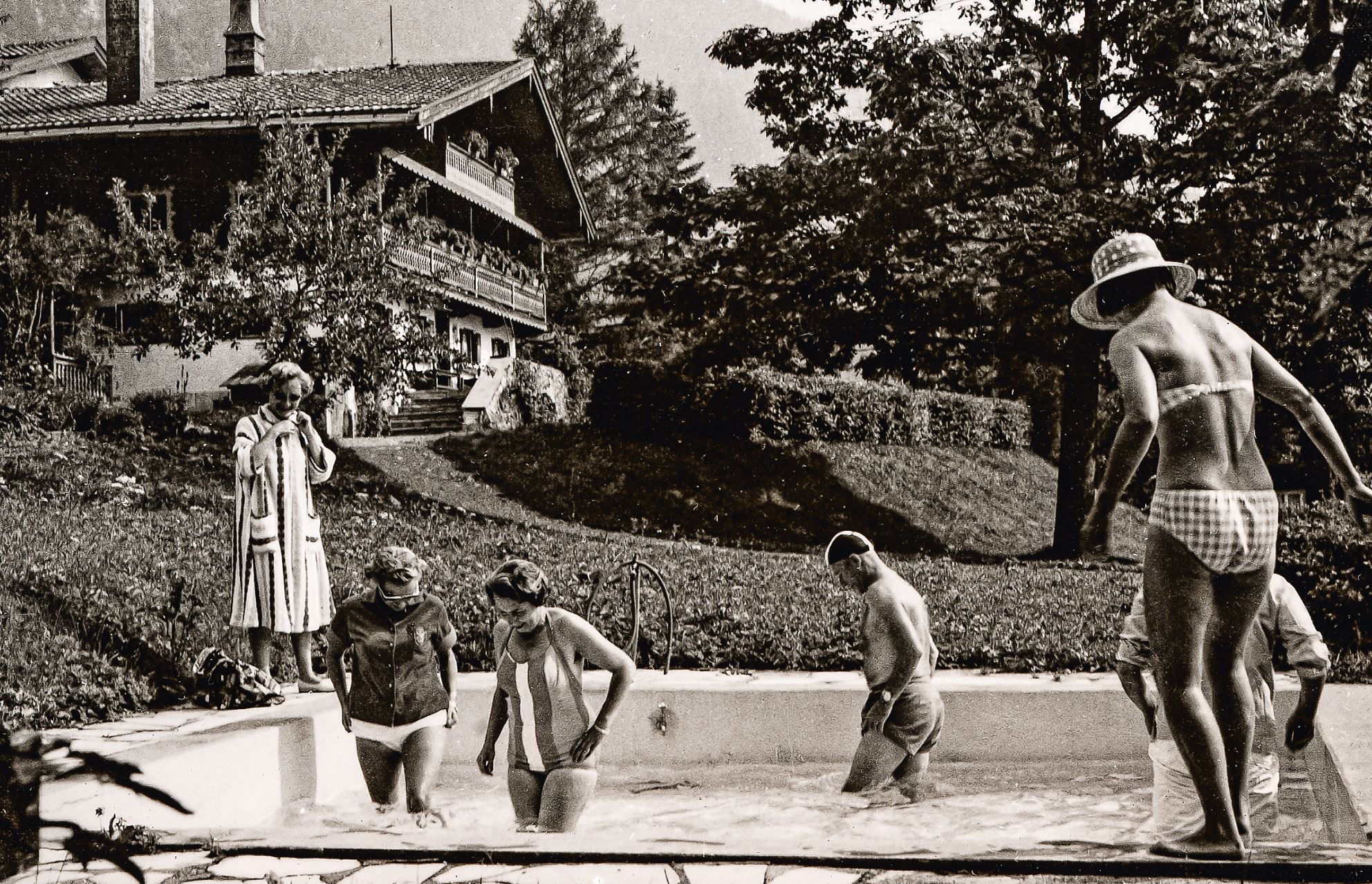
One fundamental insight ties these five pillars of naturopathy together: the stimulus–response principle. Our bodies and souls need stimuli. Changes in temperature, deprivation, movement, stress. Anyone who just sits around, warm and pampered, eating, never moving and never facing a challenge will become ill – and probably depressed too.
This idea is also an important foundation in longevity circles, with a new name: hormesis (from the Greek for “stimulation” or “impetus”; in English: adaptive response). Hormesis is a pleasing and fitting term.
Lifestyle regulation and the stimulus-response principle - a framework for self-efficacy in longevity
What is exciting about these five pillars of naturopathy, and therefore longevity, is how much we can put into practice ourselves. We discover our own influence on our well-being. We develop self-efficacy. This means taking personal responsibility for ourselves – body, mind and soul. Our body is our “best buddy”. So we look after it with love (!), without going overboard. It is not about “I must, I should”, but “I want to look after myself because it makes me feel good”. What is truly moving is that it is never too late. Even if we start at 80, our body will thank us.
Anyone who embraces their own self-efficacy also understands that we are “the architects of our own happiness”. My boss, my work, the system, my family, my friends, where I live and so on are not solely to blame when I am not feeling well. Yet only I can change things. Through my own actions.
Interpreting longevity as “higher-faster-further” misses the point.
What I find problematic:
Taking things too far and interpreting longevity literally as “living even longer”.
Living past 100, or even forever, because medical advances will have caught up with the natural ageing process. See Bryan Johnson’s Project Blueprint.
Anyone who wants this has not faced up to their own almost certain death. And what would the implications be for our social welfare system? Retirement at 90? Logically, that is a consequence we would then have to accept.
Taking optimisation too far.The tense, dogmatic determination to get everything right. Where is the room to relax and enjoy life? Those who spend all their time optimising themselves may live longer, but their lives may well be boring and somehow “lifeless”.
Undermining trust in our own perceptions.Many people have become disconnected from their bodies and no longer understand themselves. They lack self-awareness, the ability to tune in to themselves, trust in themselves. This is particularly noticeable among our younger patients. And then everything is measured and tracked relentlessly. Naturally, this creates yet more uncertainty. People seek advice – online, from AI, from health experts. Whether the question “How am I really?” then receives a holistic answer remains an open question.
The excessive commercialisation in some areas that often accompanies these trends. When, for example, intravenous infusions (“drips”) with fashionable longevity ingredients are priced at €400–500. When the drive to maximise profits pushes margins beyond what a business needs for healthy growth. The market will bear it. You do not learn self-efficacy that way.
A relaxed approach, humour and deeper-slower-closer at Tannerhof
Conclusion:
As for Tannerhof. Naturally, as a health business with a long tradition, we need to engage with this trend and its terminology too. Ultimately, longevity describes exactly what Tannerhof has been offering its guests since it was founded 121 years ago. We’ve been doing longevity since 1905. With a sense of proportion, individual advice and a relaxed approach. And with humour. Less is more, and deeper–slower–closer. These are our Tannerhof signatures.
One of the things my colleagues and I at Tannerhof’s medical practice care about most is helping our patients develop this sense of self-efficacy. It is deeply moving and gives our work meaning when guests and patients return a year later and tell us about their newfound ability to shape their own lives.
Taking longevity and personal responsibility a step further. This, too, is holistic medicine…
Personal responsibility could be part of the solution for a healthcare system in urgent need of reform.
Personal responsibility, a sense of self-efficacy and an awareness that our own contribution to the common good matters could also be part of the answer to our current social and political situation.
Now we are talking about visions for the future. But surely that is exactly what we need. Positive visions.